OutSpent Commemorative Series · No. 1 · The Bank Rollback
Both parties voted for the banks.
S.2155 rolled back the rules written after the 2008 crash. Sixty-seven senators voted yes — 50 Republicans, 16 Democrats, and 1 Independent. So we minted a card for every one of them: numbered by who took the most Wall Street money — $15,256,015 from just the 12 biggest banks. This was never red versus blue. It was the banks versus you.
67 cards. One per yes vote. Find yours.
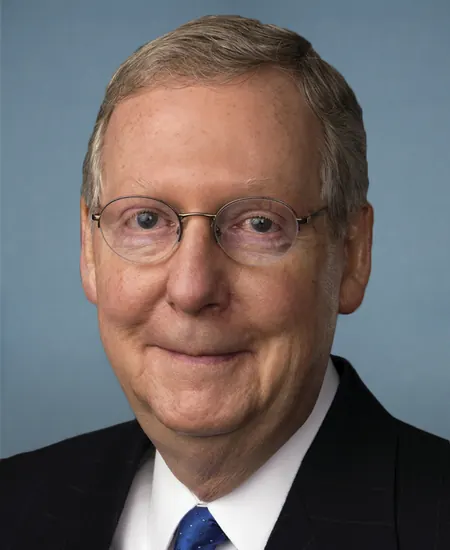
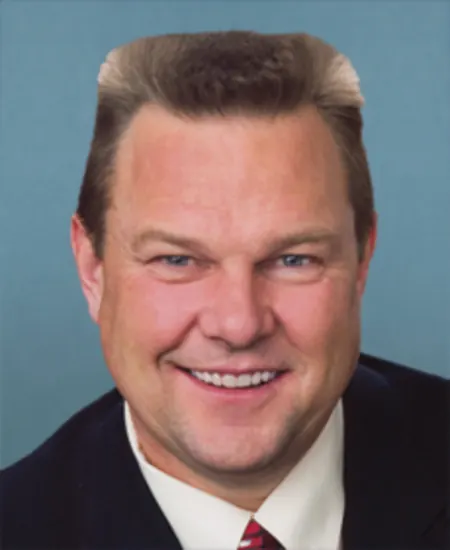
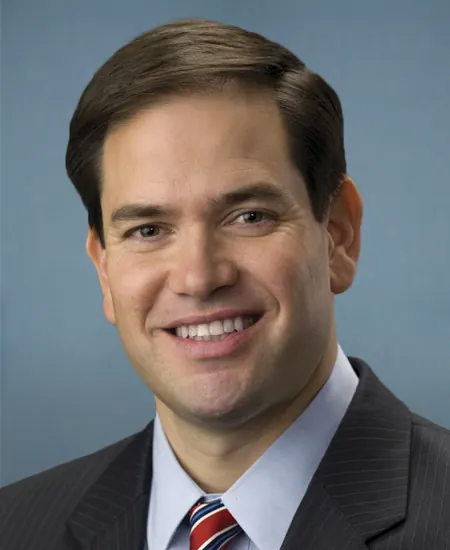
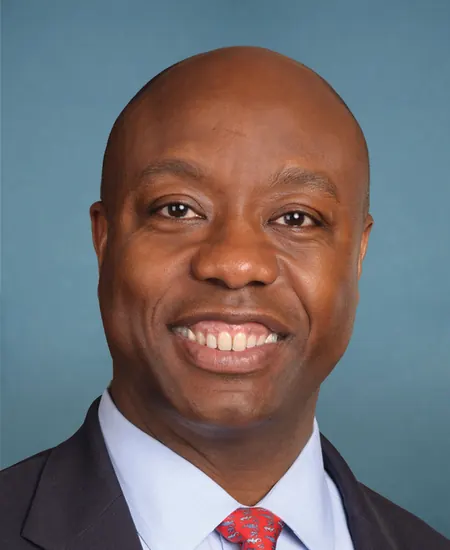
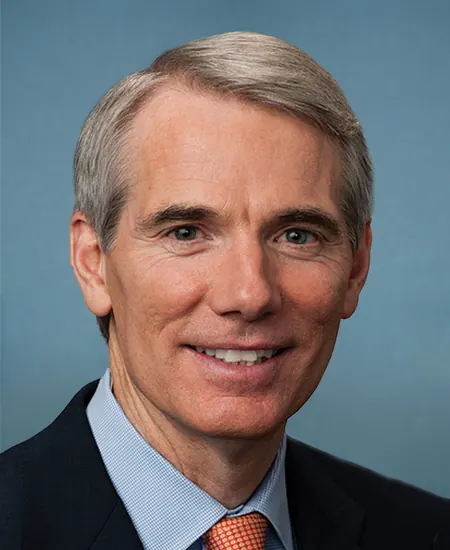
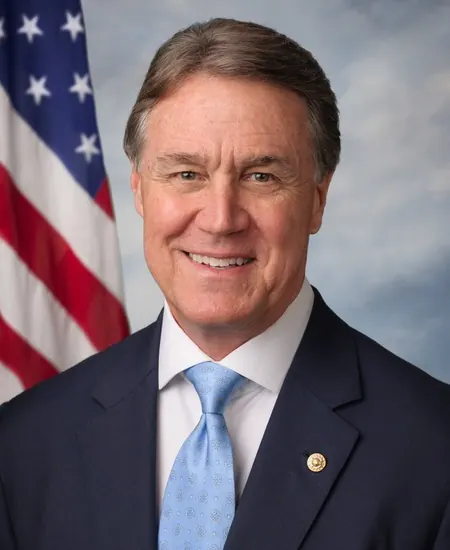
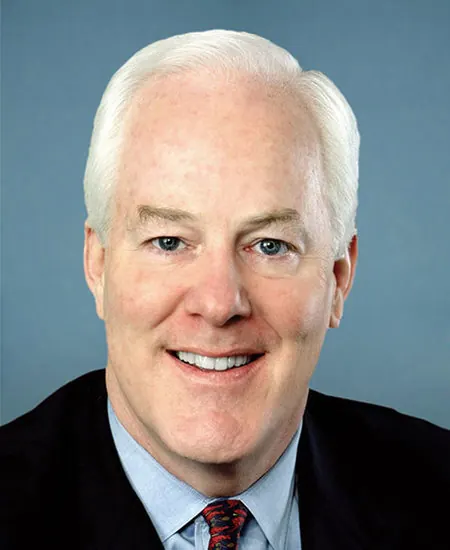
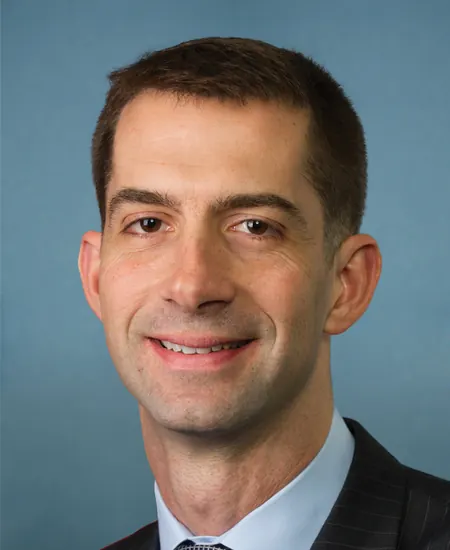
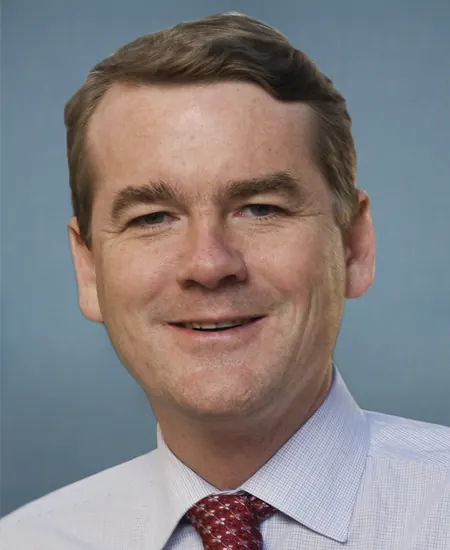
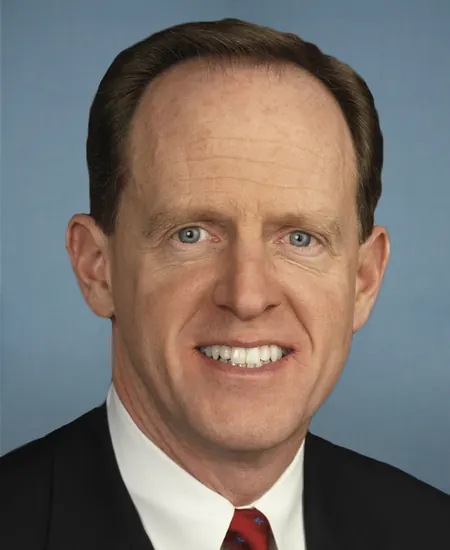
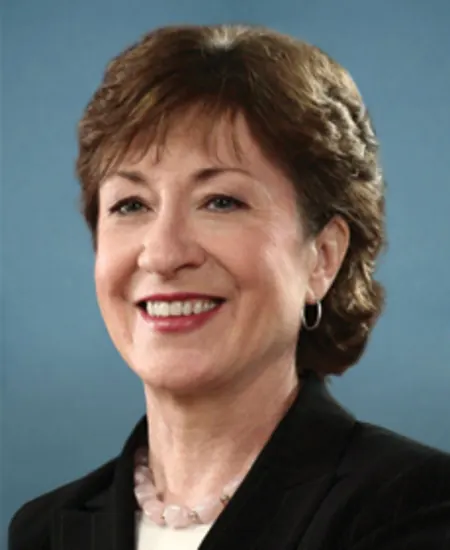
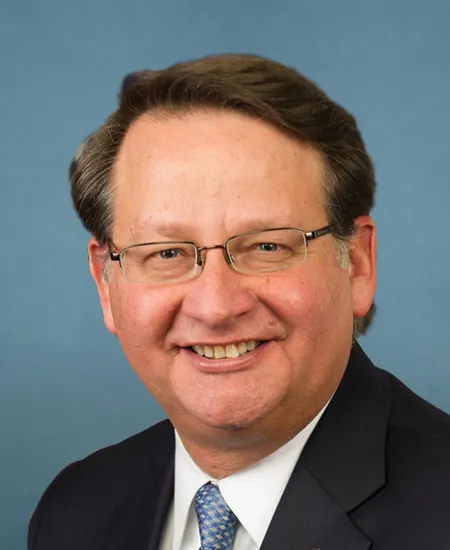
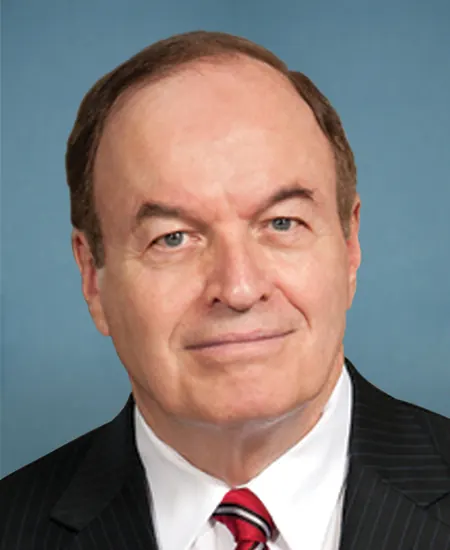
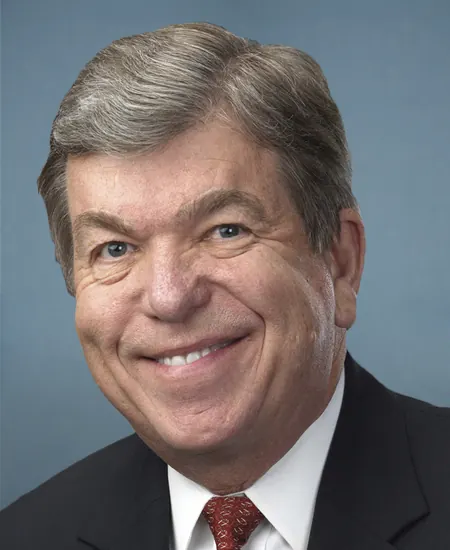
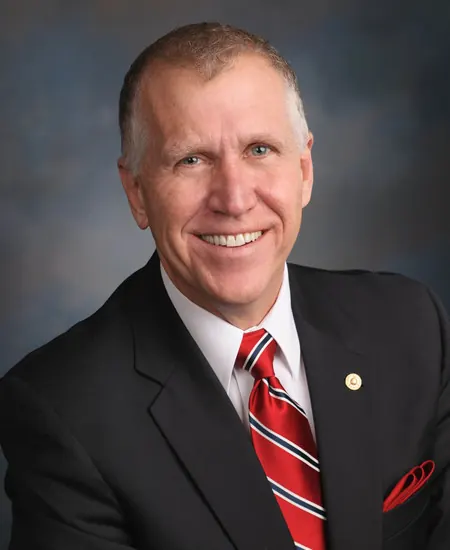
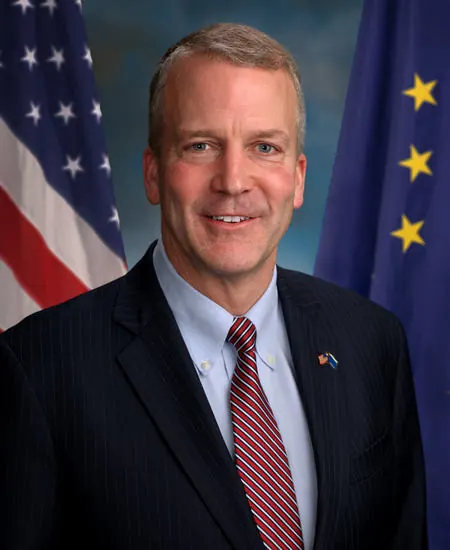
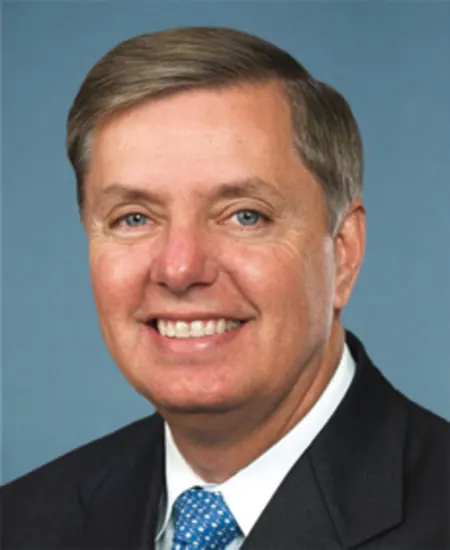
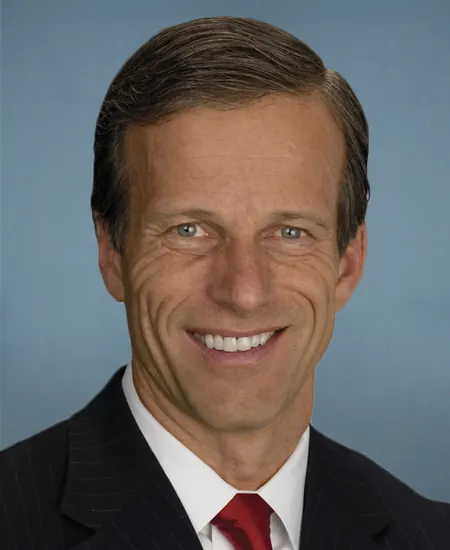
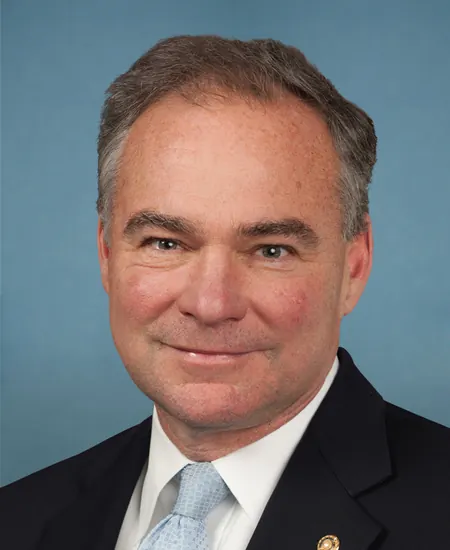
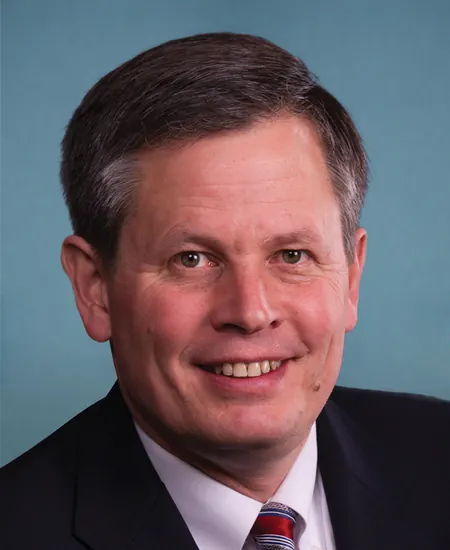
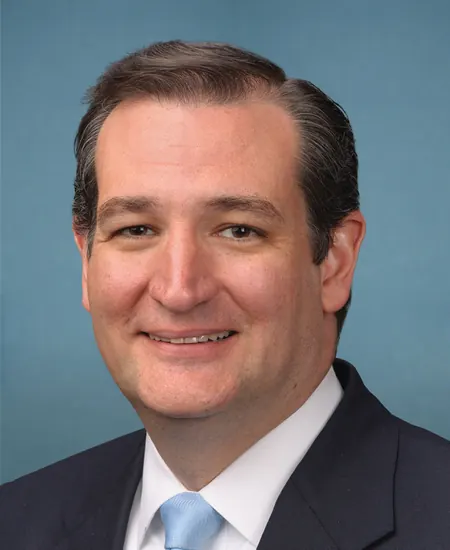
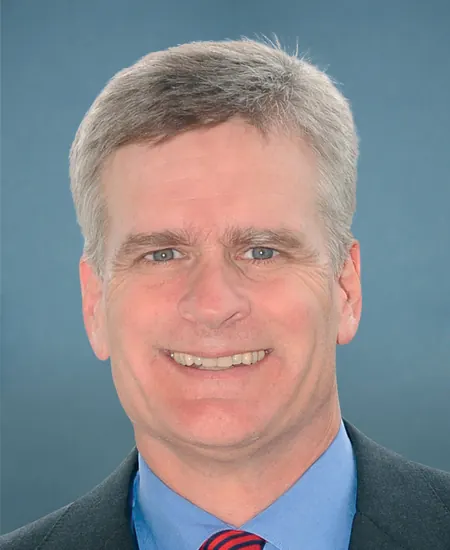
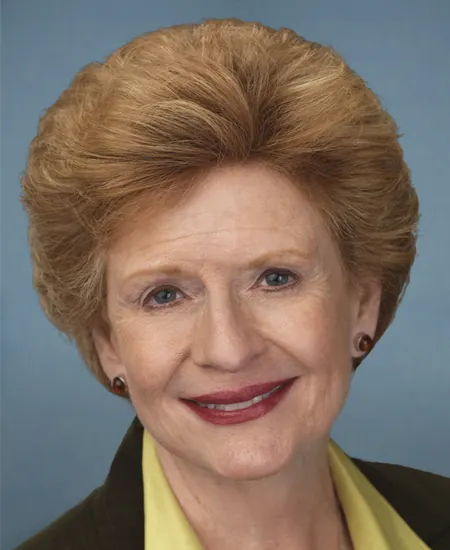
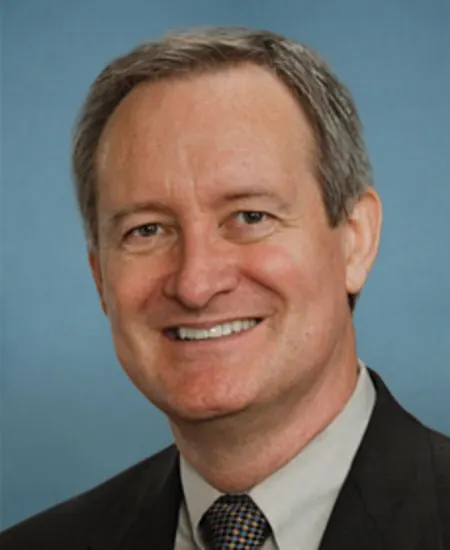
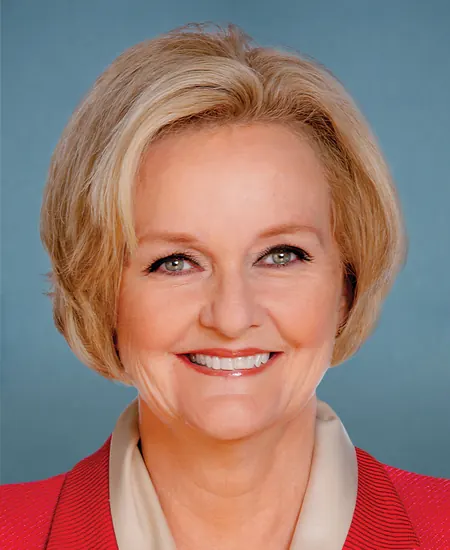
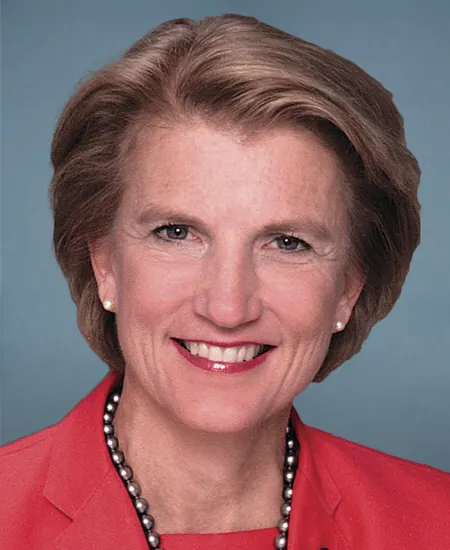
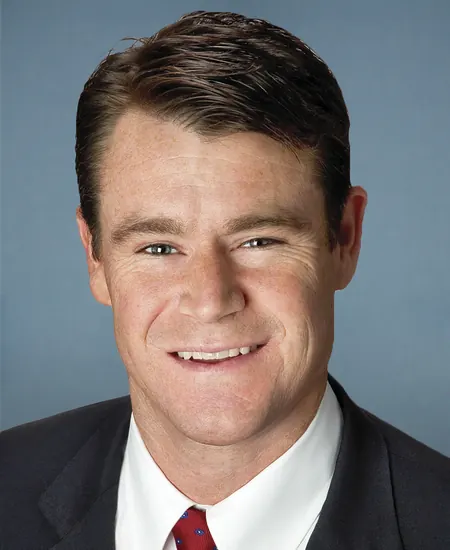
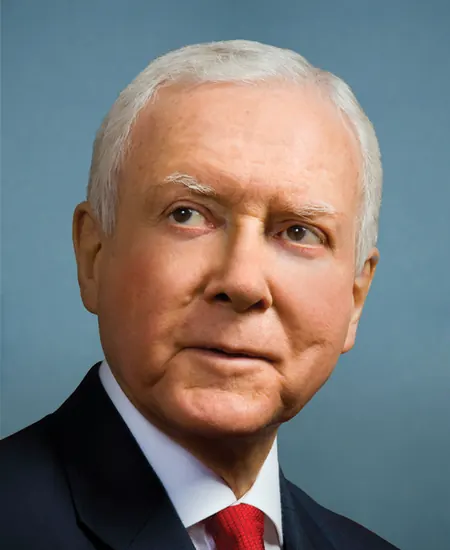
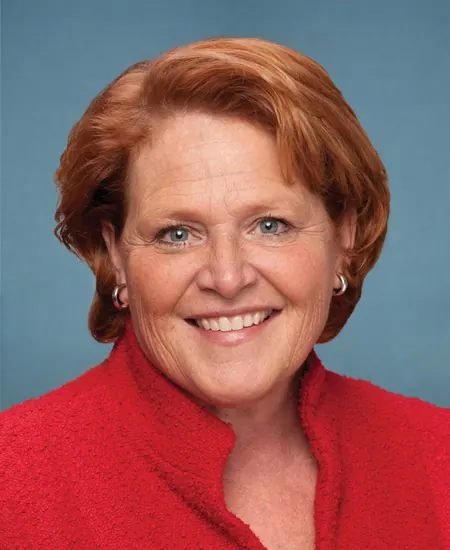
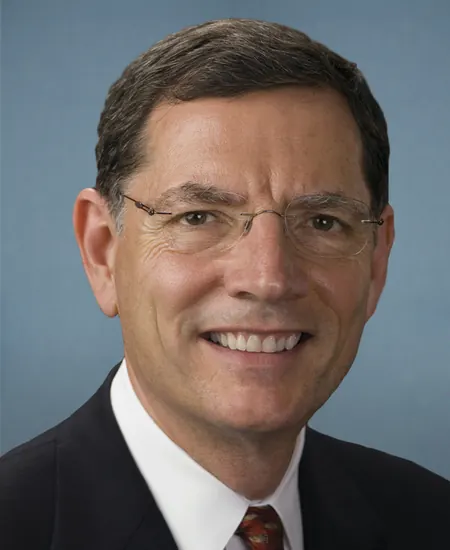
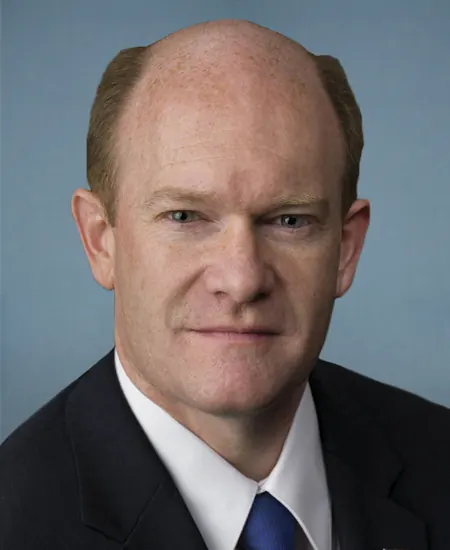
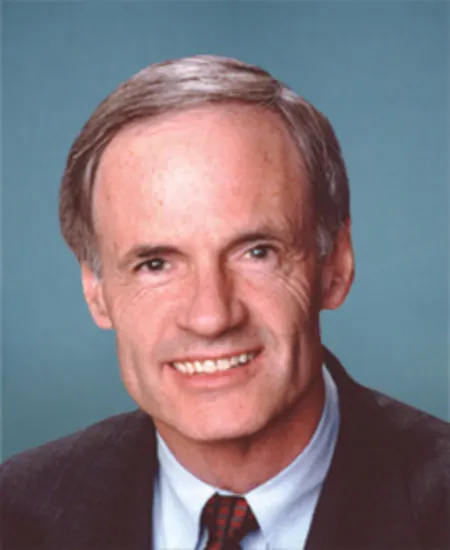
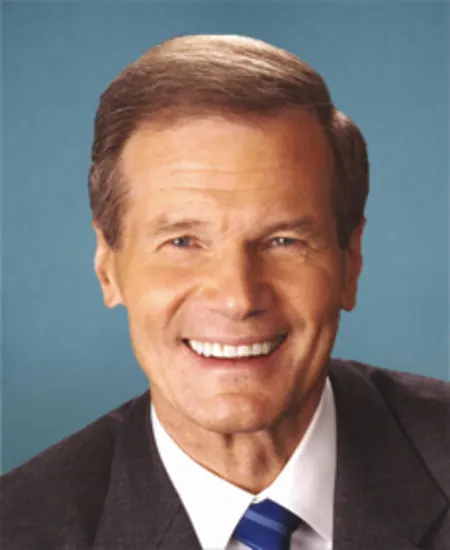
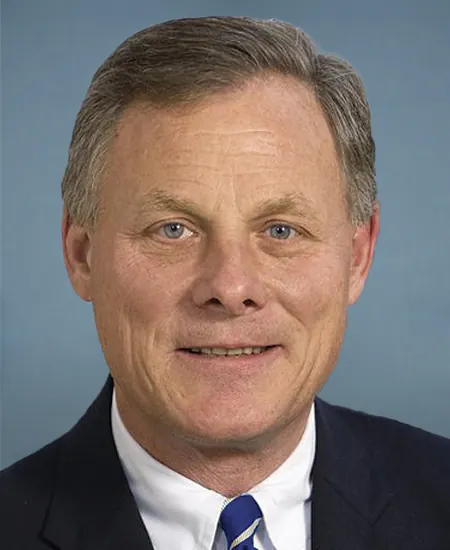
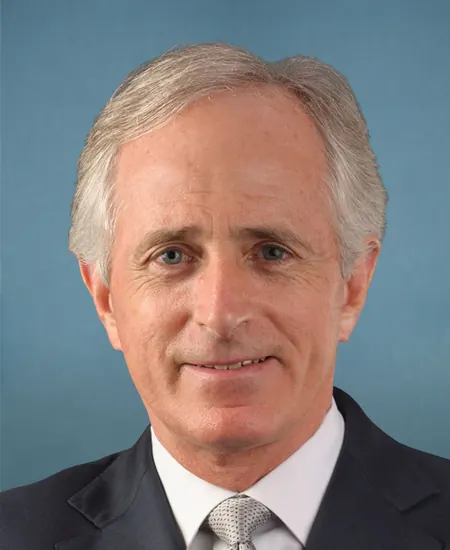
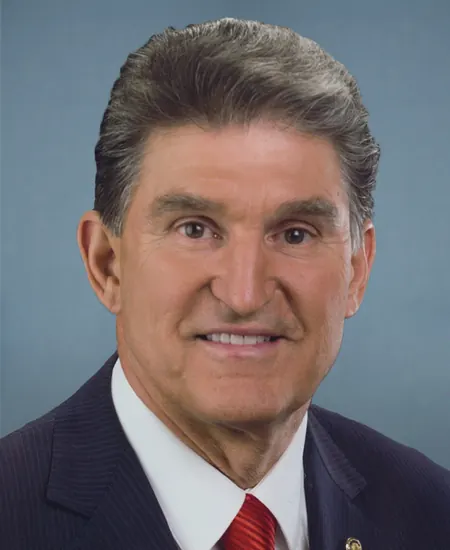
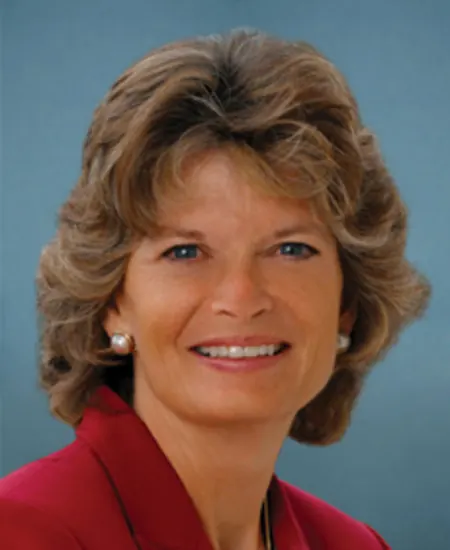
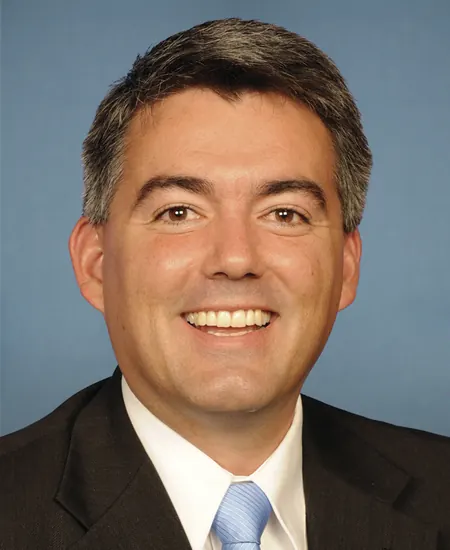
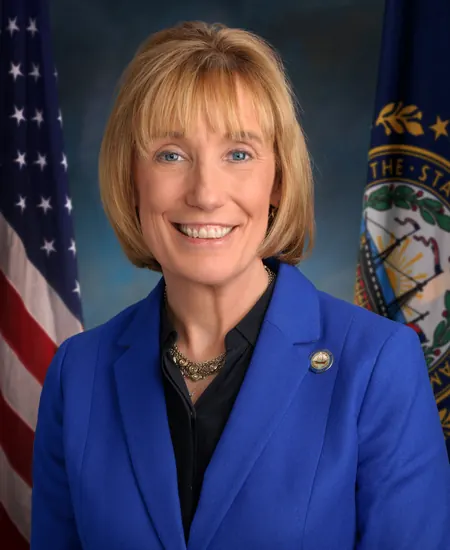
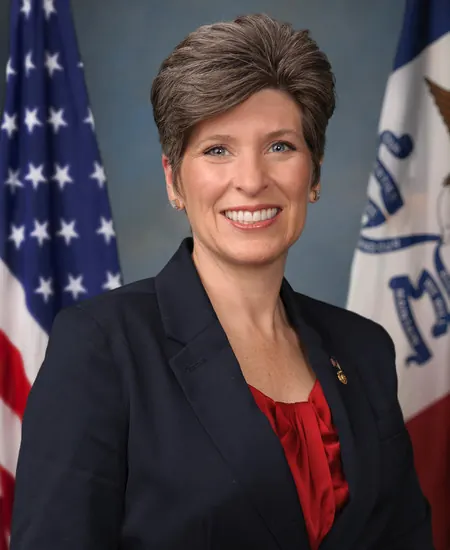
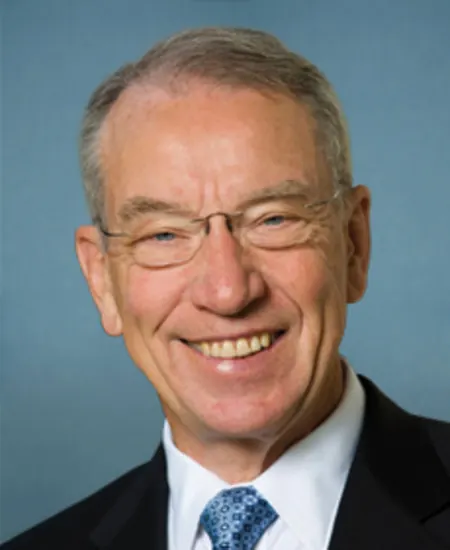
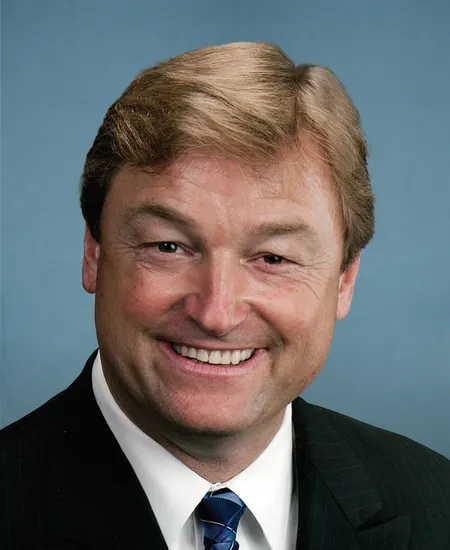
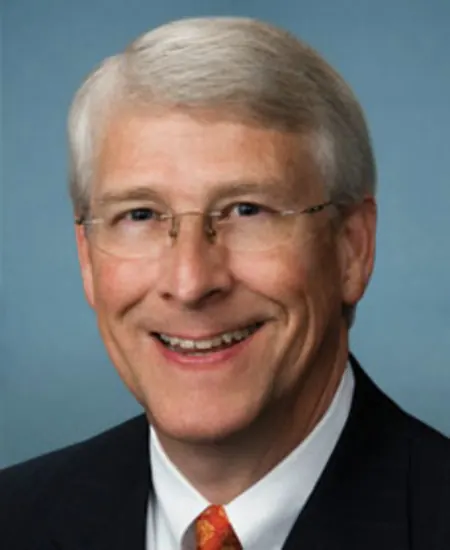
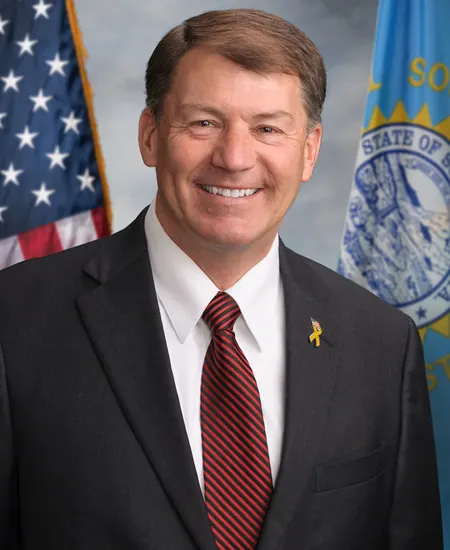
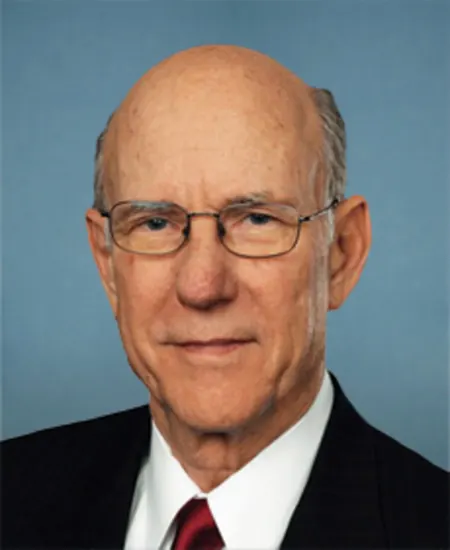
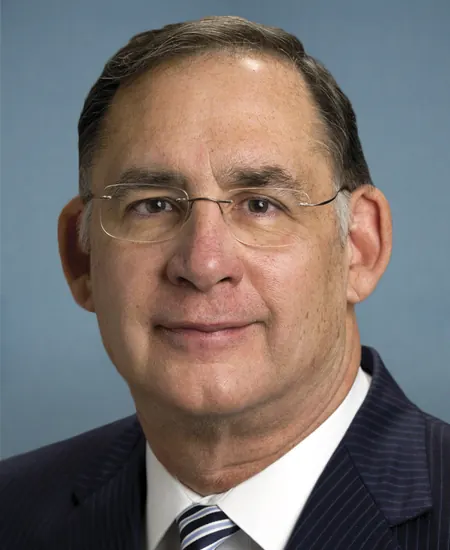
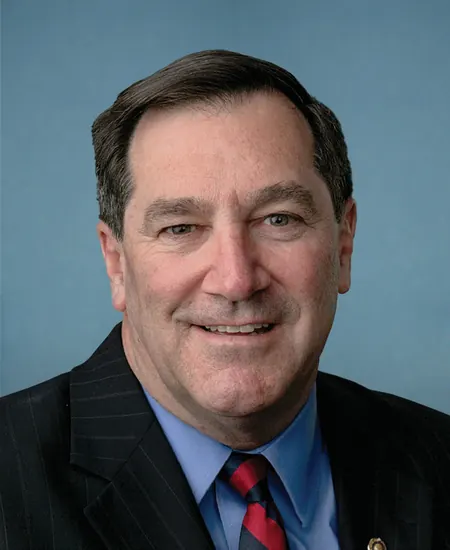
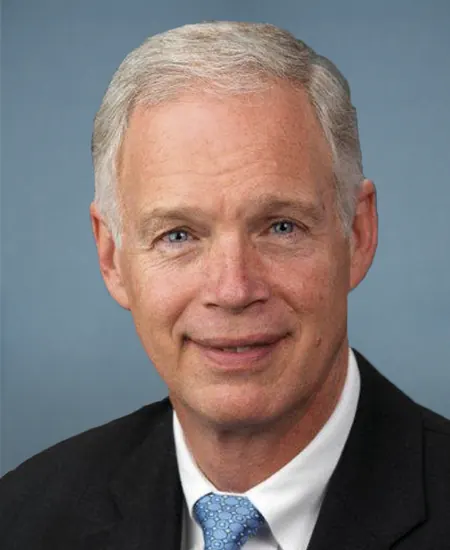
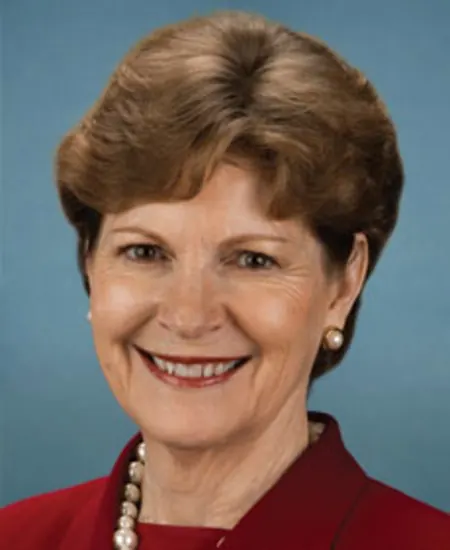
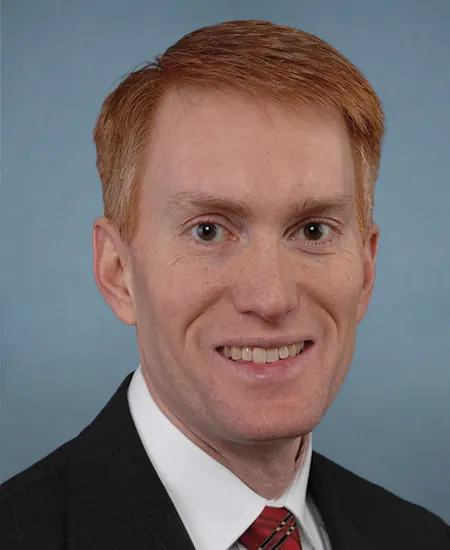
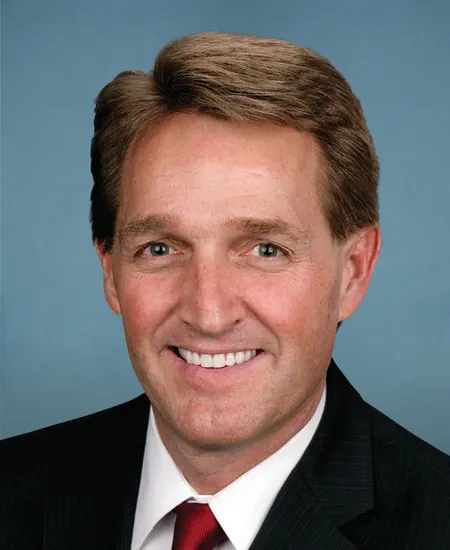
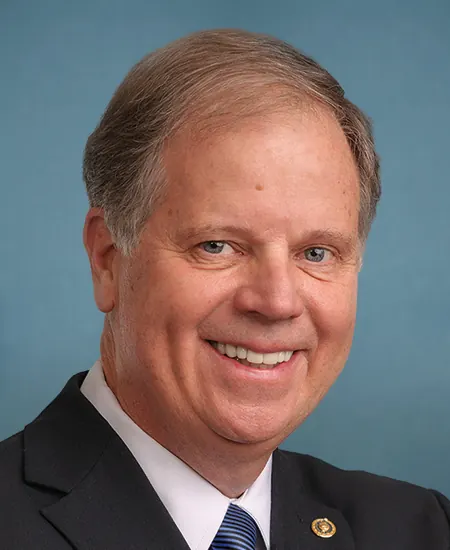
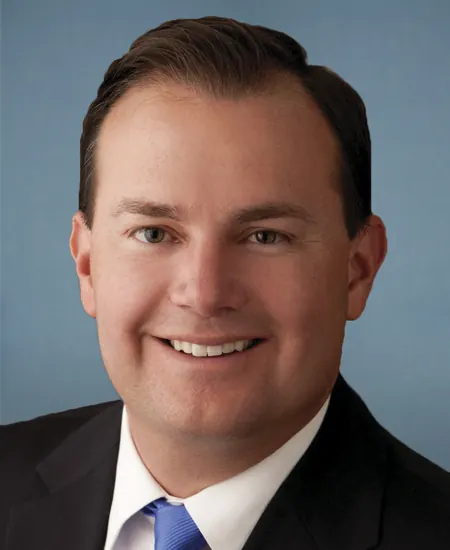
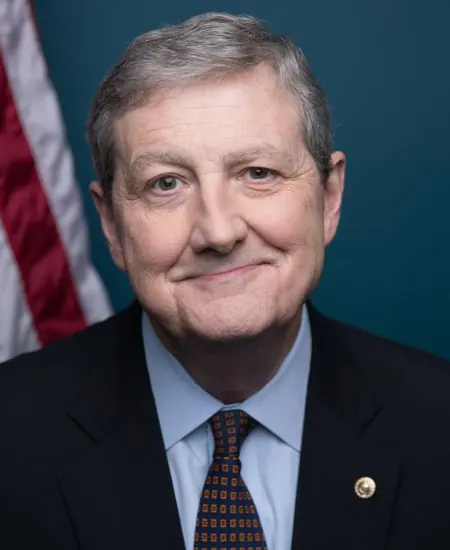
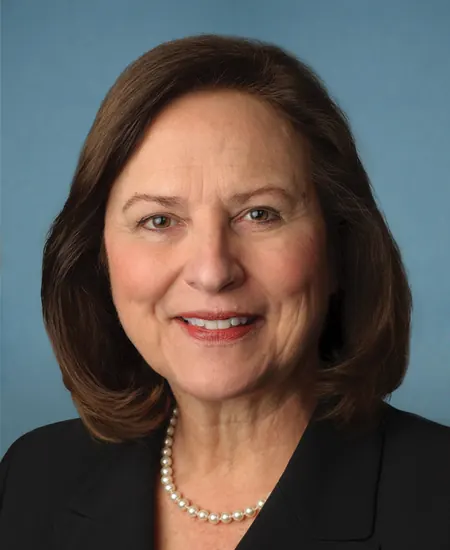
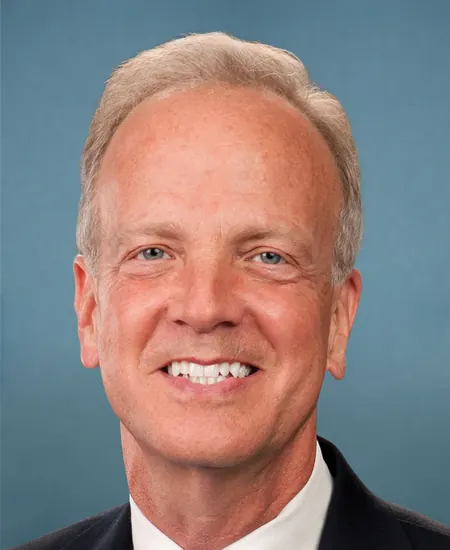
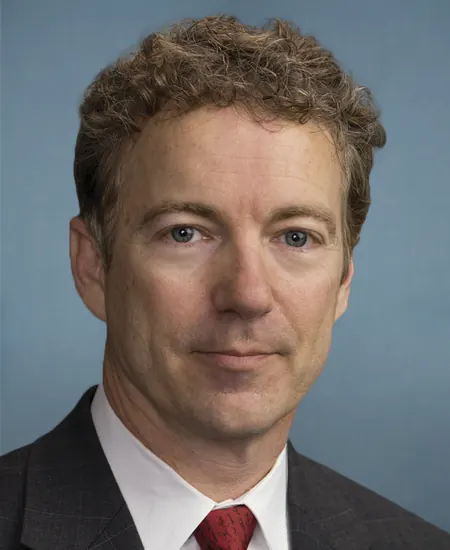
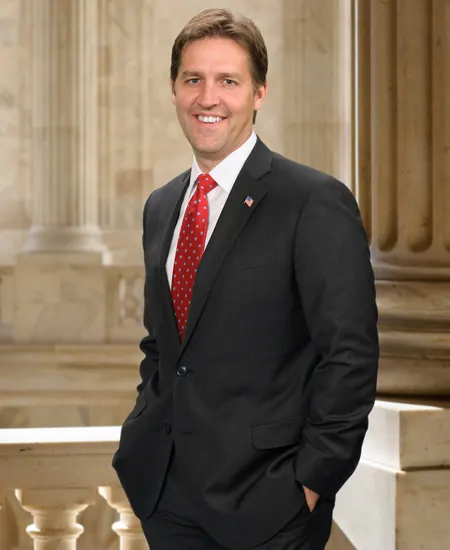
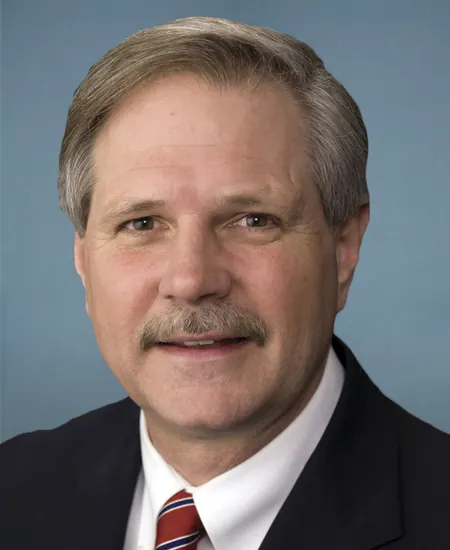
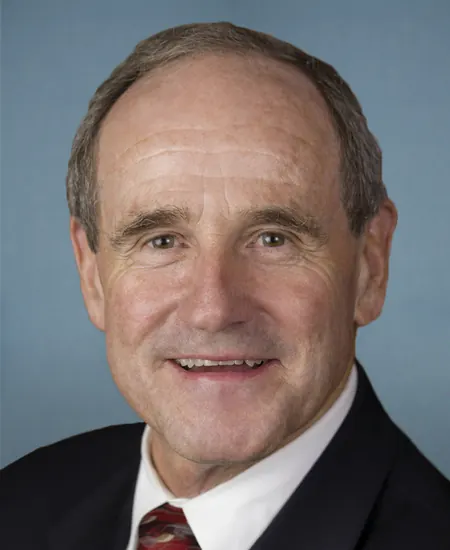
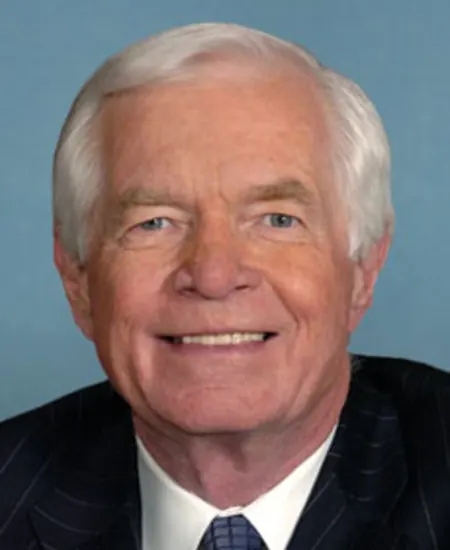
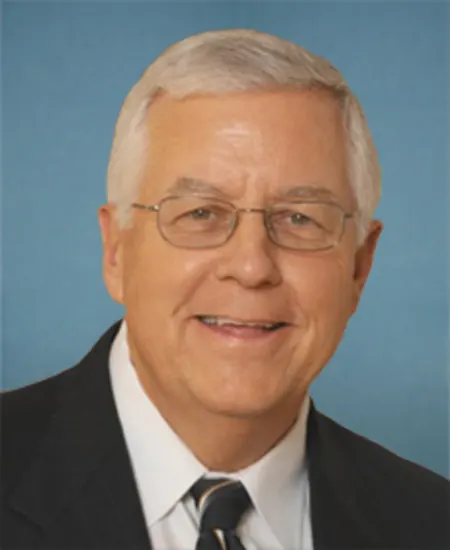
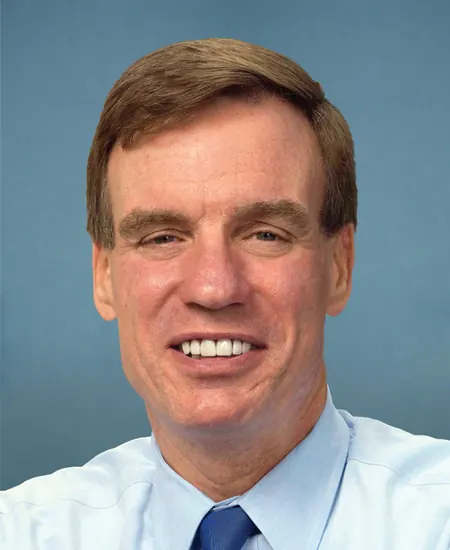
The Not-For-Sale Set
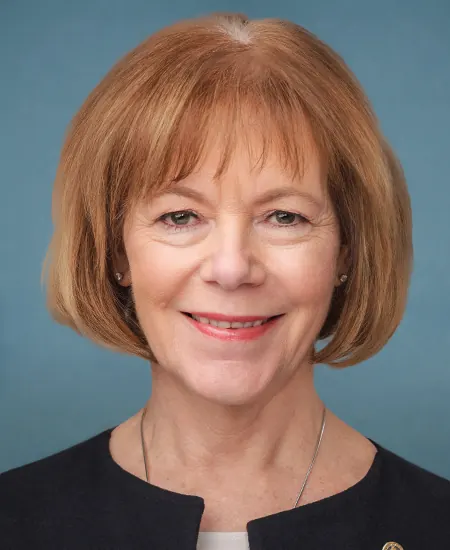
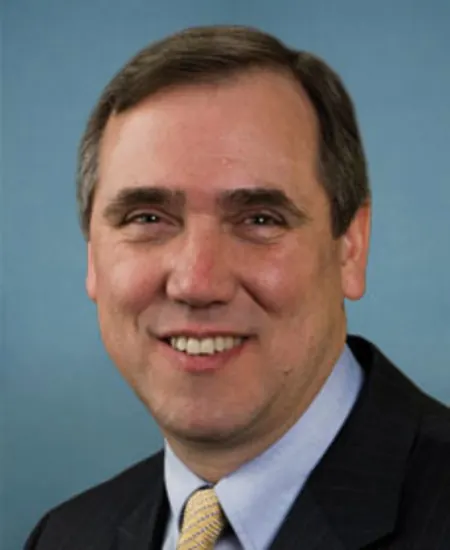
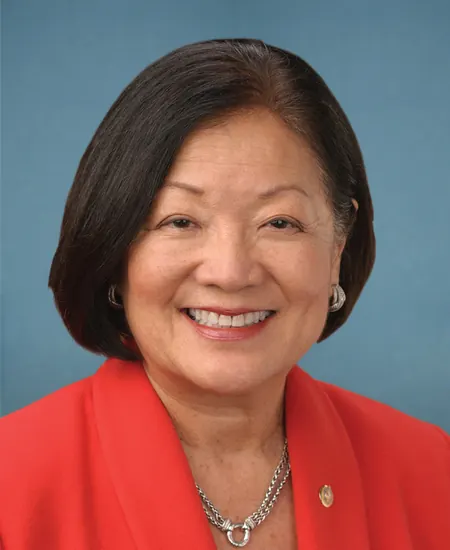
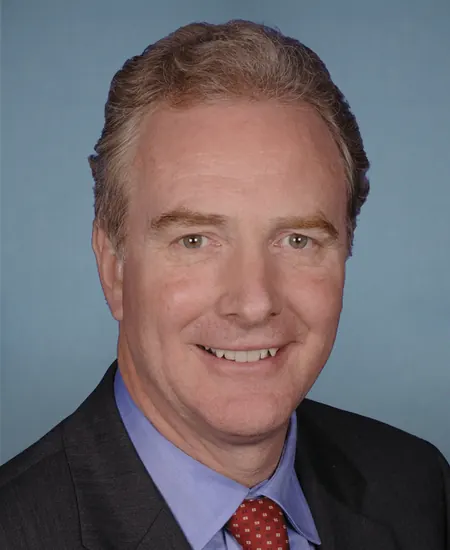
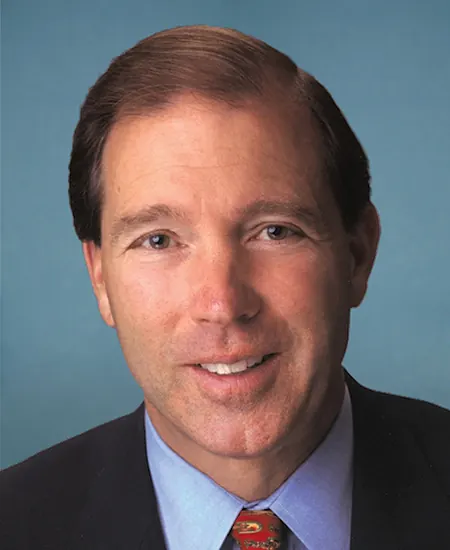
The ones they couldn't buy.
We ran the same receipts test on the senators who voted no. Most still took serious sector money — voting no doesn't make you clean. But 5 sitting senators took less than $150,000 from the 7 worst sectors across their entire careers — McConnell took 21× more from Wall Street alone. They get the rare cards.
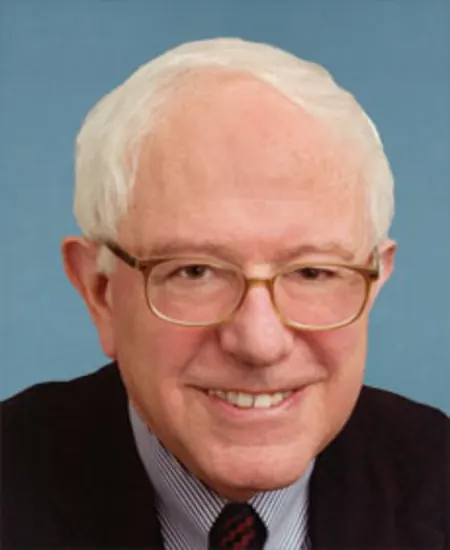
What it cost you
Five years later, the banks they freed started failing.
S.2155 raised the line for tough bank oversight from $50 billion to $250 billion in assets — freeing dozens of banks from the stress tests built after the 2008 crash to catch exactly this kind of risk.
One of them was Silicon Valley Bank. Because it sat under the new $250B line, it skated past the tougher testing. In March 2023 it collapsed — the second-largest bank failure in U.S. history — followed within days by Signature Bank, and soon after by First Republic.
This isn't a partisan read. The Federal Reserve's own post-mortem tied the supervisory gaps directly to the 2018 rollback. To stop a wider panic, the government stepped in and backstopped every deposit — a public rescue of the system the deregulation helped break.
The senators who freed the banks kept their seats. You kept the bill.
Sources: Federal Reserve, Review of the Supervision and Regulation of SVB (Barr Report, 2023); Roosevelt Institute; NBC News.
Whose senator are you?
Type your address. See if your senator has a card — and which kind.
Money: FEC itemized contributions (career) from the 12 largest banking & securities employers + key industry PACs — a conservative floor; the full industry total is higher. Vote: U.S. Senate Roll Call 115-2-54, March 14, 2018. Non-partisan: this is about money and votes, not party.